Prototype Injection Molding
Get real, production-grade plastic parts in your hands faster than ever. Our rapid tooling service bridges the gap between 3D printing and mass production.
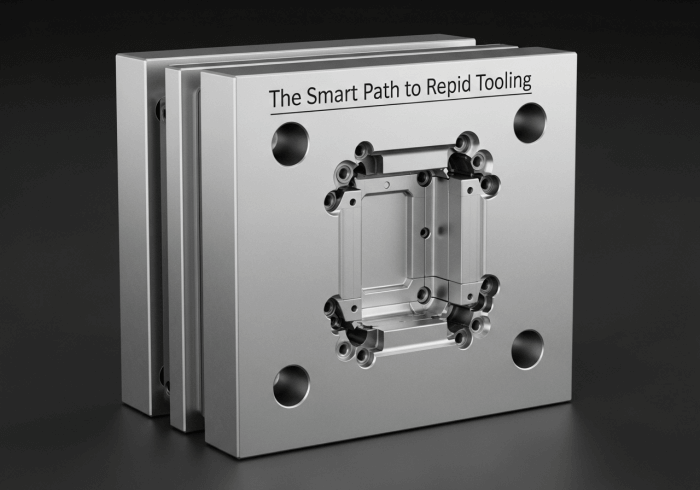
The Smart Path to Market
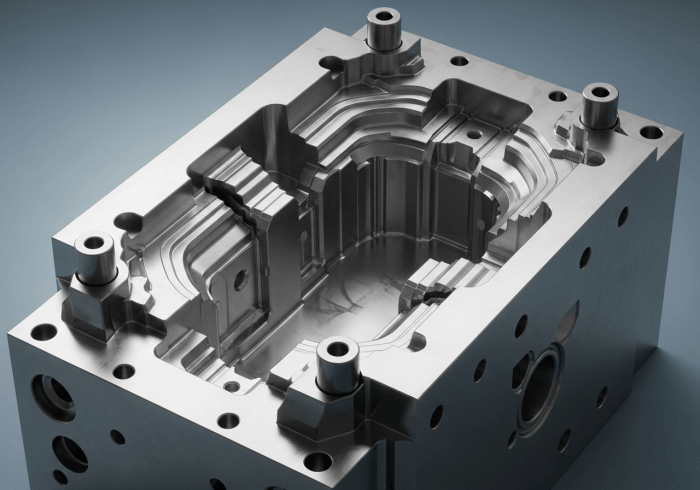
Prototype injection molding, also known as rapid tooling, is a specialized manufacturing process designed to produce low volumes of parts (typically 50 to 10,000+ units) using real injection molding materials and processes. Instead of creating expensive, hardened steel molds designed for millions of cycles, we create molds from high-grade aluminum or P20 tool steel.
These rapid tools are much faster and more cost-effective to produce, yet they are durable enough to create thousands of production-quality parts. This allows you to test your design with the actual manufacturing process and material, conduct market validation, or launch your first product run while your high-volume tooling is still in development.
Why Use Prototype Injection Molding?
Test with Real Materials
Move beyond 3D printed simulants. Validate your design's performance using the exact production-grade thermoplastic you intend to use for your final product.
Accelerate Speed to Market
Receive your first batch of molded parts in a matter of weeks, not months. This allows you to launch your product or conduct field testing much faster.
Refine Your Design
Discover potential design flaws and optimize your part for mass production manufacturability before you invest in expensive, difficult-to-change steel tooling.
Ideal Applications for Rapid Tooling
Market Validation
Produce an initial batch of products to test market demand and gather customer feedback before scaling up.
Bridge Production
Use parts from a rapid tool to meet early sales demand while your high-volume production tooling is being manufactured.
Functional Testing
Create a statistically significant number of parts for rigorous functional, environmental, and life cycle testing.
Niche Products
Cost-effectively manufacture products for niche markets where the total lifetime volume doesn't justify the cost of full production tooling.
Prototype Molding FAQ
How is a prototype tool different from a production tool?
The main difference is the material. Prototype tools are typically made from softer aluminum or P20 steel, which is faster and cheaper to machine. Production tools are made from hardened tool steel (like H13) which takes longer to make but lasts for millions of cycles. Prototype tools may also have simpler cooling and ejection systems.
How many parts can I get from a prototype mold?
The lifespan depends on the tool material, part complexity, and plastic material being molded. A typical aluminum mold can produce from 500 to 10,000+ parts. A P20 steel mold can often produce 50,000 or more parts.
Can the prototype tool be modified?
Yes, one of the key benefits of rapid tooling is that it's easier to modify than hardened steel. It's relatively simple to remove metal (make a feature bigger), but adding metal is more difficult. This allows for design adjustments based on the results of your initial part review.