ENGINEERING MATERIAL
Alloy Steel
The definitive choice for extreme strength and durability. Alloy steels are engineered for applications that demand superior mechanical properties, high toughness, and the ability to be heat-treated to incredible hardness.
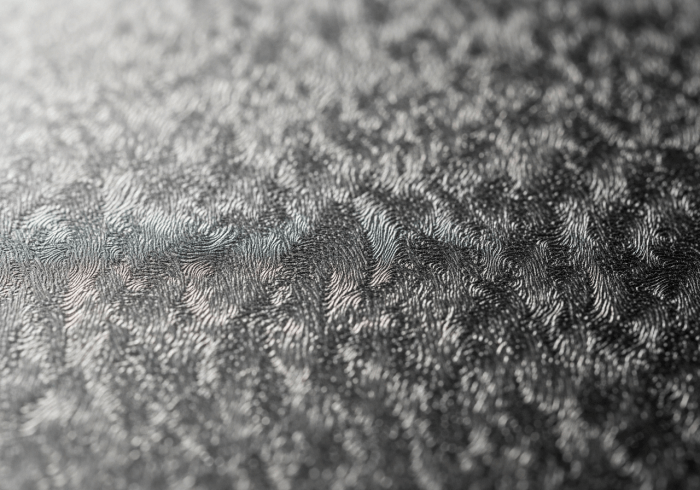
Strength, Toughness, and Hardenability
Alloy steels are types of steel that have small amounts of one or more alloying elements (such as chromium, nickel, molybdenum, vanadium, and manganese) added to improve their properties. These additions significantly enhance the steel's strength, hardness, toughness, wear resistance, and corrosion resistance, especially after heat treatment.
High Strength
Alloy steels, particularly when heat-treated, achieve very high tensile and yield strengths, making them ideal for load-bearing components.
Excellent Toughness
Unlike some very hard materials, many alloy steels retain excellent toughness, meaning they resist fracturing under sudden impacts.
Hardenability
They can be heat-treated (quenched and tempered) to achieve a wide range of hardness and strength levels, tailored to the specific application.
Common Alloy Steel Grades We Machine
- 4140 Alloy Steel: A very popular chromium-molybdenum alloy steel. It offers excellent toughness, good ductility, and high fatigue strength. Commonly used for shafts, gears, bolts, and connecting rods that require high strength and wear resistance. It responds very well to heat treatment.
- 4340 Alloy Steel: A nickel-chromium-molybdenum alloy steel with even higher strength and toughness than 4140, particularly in heavier sections. It maintains its strength at higher temperatures and is often used for aircraft landing gear, heavy-duty shafts, and high-stress structural components.
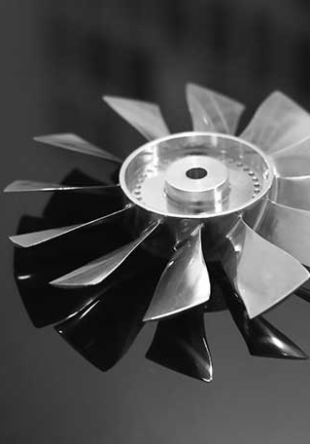
Alloy Steel FAQ
Do alloy steels rust?
Yes, standard alloy steels are not corrosion resistant and will rust if exposed to moisture and oxygen without a protective coating. For corrosion resistance, stainless steels are preferred, or the alloy steel part must be plated, painted, or black oxided.
Can you machine alloy steel after it's been heat-treated?
It depends on the hardness. We can machine alloy steels in a "pre-hardened" state (e.g., 4140 pre-hard). If the part is heat-treated to very high hardness (e.g., >50 HRC), it becomes extremely difficult to machine and may require grinding or EDM (Electrical Discharge Machining) for final features.