ENGINEERING MATERIAL
Polycarbonate (PC)
The clear choice for superior strength. Polycarbonate is a tough, transparent thermoplastic offering outstanding impact resistance, stiffness, and temperature resistance.
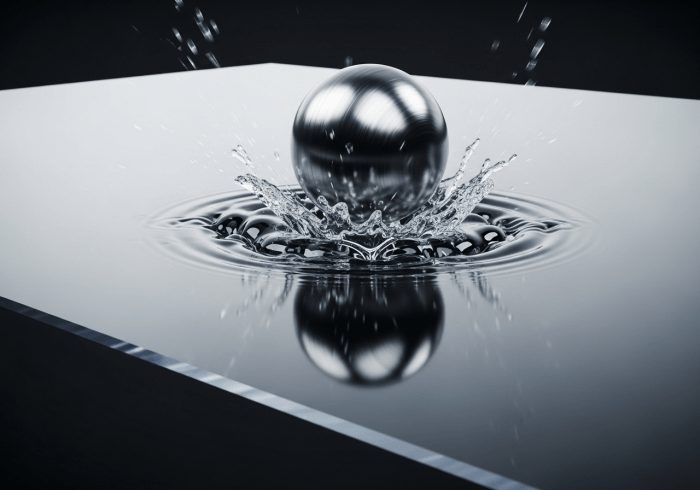
Unmatched Durability and Clarity
Polycarbonate is an amorphous thermoplastic that stands out due to its unique combination of properties, making it a reliable material for demanding engineering applications.
Extreme Impact Strength
PC is virtually unbreakable, with an impact strength significantly higher than both ABS and acrylic. This makes it the ideal material for protective guards, safety visors, and rugged enclosures.
Inherent Transparency
Naturally transparent with excellent light transmission, PC is a great choice for lenses, light pipes, and windows. It can be polished to achieve near-optical clarity.
High-Temperature Resistance
Polycarbonate maintains its properties at elevated temperatures, with a glass transition temperature of around 147°C (297°F), making it suitable for automotive lighting and electronic components.
Manufacturing with Polycarbonate
CNC Machining PC
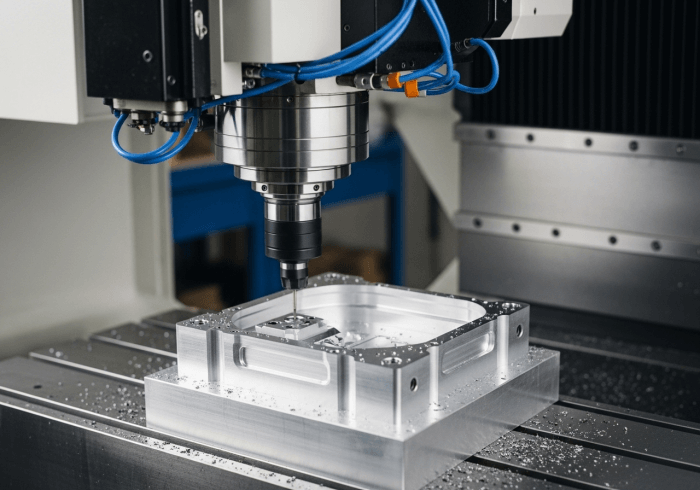
Machining is the best way to produce high-precision PC parts with excellent clarity. The process starts by cutting parts from solid sheet or rod. Initially, the machined surfaces will be translucent and show tool marks. For transparency, a secondary vapor polishing or manual hand polishing process is required to restore optical clarity.
PC Injection Molding
Polycarbonate is widely used in injection molding for producing clear or opaque parts in high volumes. Proper mold design and processing conditions are critical to avoid defects and achieve good clarity. We also offer specialty grades, including glass-filled PC for increased stiffness and UV-stabilized grades for outdoor applications.
Polycarbonate (PC) FAQ
Is Polycarbonate scratch-resistant?
Standard Polycarbonate is relatively soft and can scratch easily. For applications requiring high scratch resistance, a hard coating can be applied as a post-processing step.
What is the difference between Polycarbonate and Acrylic (PMMA)?
Polycarbonate is significantly stronger and more impact-resistant than acrylic, but it is more prone to scratching. Acrylic is more rigid, has better optical clarity (transmits more light), and is more scratch-resistant, but it is more brittle and can crack or shatter under impact.
Is PC resistant to chemicals?
Polycarbonate has poor resistance to many common chemicals, especially hydrocarbon-based solvents, which can cause it to craze or crack. Its chemical compatibility should be carefully considered for the intended application.