Surface Finishing Services
The final step in creating a perfect part. Our comprehensive finishing services enhance the cosmetic appearance, corrosion resistance, wear resistance, and overall performance of your components.
Anodizing (Type II & III)
An electrochemical process that adds a thin, durable ceramic layer to the surface of aluminum parts. Type II offers good corrosion resistance and can be dyed in various colors. Type III (hardcoat) creates a thicker, harder layer for high-wear applications.
Powder Coating
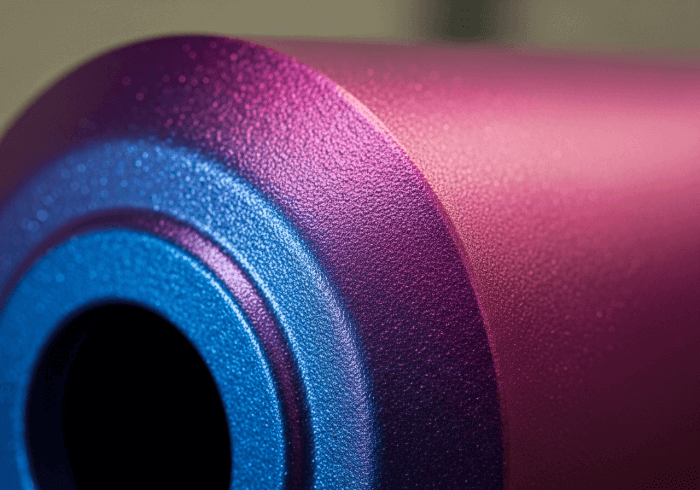
A dry powder is electrostatically applied to a part and then cured under heat. It creates a finish that is tougher and more durable than conventional paint. Available in a huge range of colors and textures.
Bead Blasting
Propelling a stream of fine abrasive media (like glass beads) against a surface to remove tool marks and create a uniform matte or satin texture. A great way to achieve a consistent, non-reflective finish.
Polishing
Manual sanding and buffing processes used to create a smooth, mirror-like finish. Essential for achieving optical clarity on transparent plastics like acrylic and polycarbonate, or for high-end cosmetic metal parts.
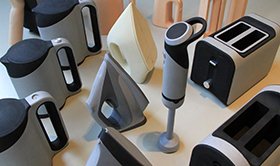
Painting & Graphics
Application of automotive-grade liquid paints for custom colors, gloss levels, and textures. We can also apply logos and other graphics via silk screening or pad printing for a fully branded product.
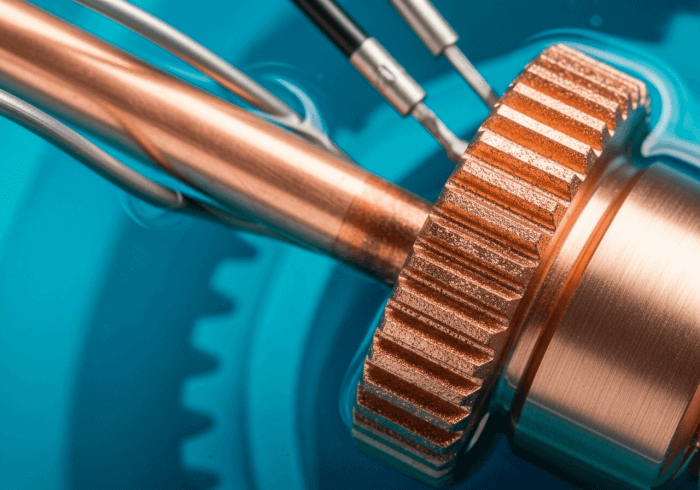
Plating
An electrochemical process that deposits a thin layer of metal onto a substrate. Used for both cosmetic finishes (e.g., chrome plating on plastic) and functional purposes (e.g., nickel plating for corrosion resistance).
Surface Finishing FAQ
How much thickness does a finish add to my part?
This is a critical consideration. Anodizing (Type II) adds a negligible amount, but hardcoat anodizing (Type III) and powder coating can add 0.05 - 0.1mm of thickness per surface. You must account for this in your design, especially for tight-fitting assemblies.
Can you mask certain areas of a part?
Yes. We can use masking (plugs, caps, or tape) to protect specific features, like threaded holes or critical mating surfaces, from being coated during processes like anodizing or powder coating.
How do I specify a custom color?
The best way to specify a custom color for painting or powder coating is to provide a RAL or Pantone color code. This ensures we can match your desired color as closely as possible.