ADVANCED ENGINEERING MATERIAL
Engineering Ceramic Materials
When only the extreme will do. Engineering ceramics offer unparalleled hardness, stiffness, high-temperature stability, and chemical resistance, making them ideal for the most demanding environments.
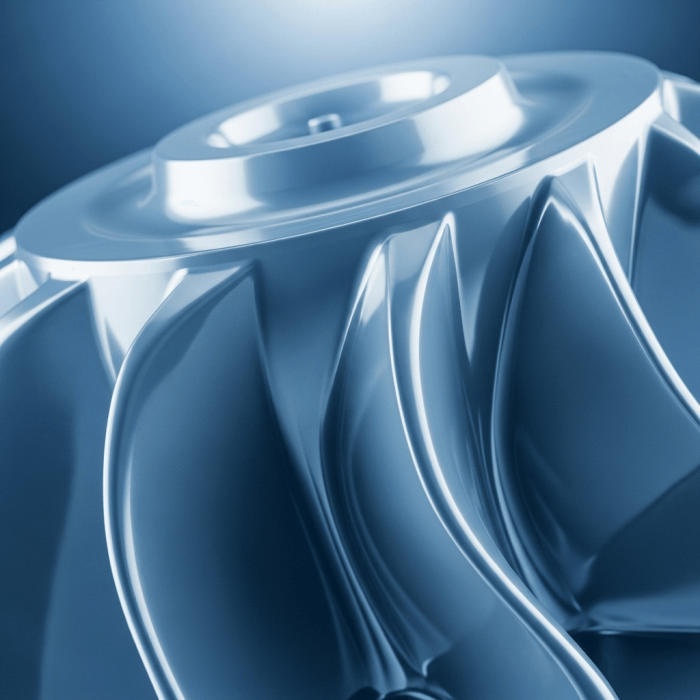
The Ultimate in Hardness & Stability
Engineering ceramics are inorganic, non-metallic materials formed by shaping and firing minerals at very high temperatures. Unlike metals, they do not contain metallic bonds, giving them unique and superior properties in extreme conditions.
Extreme Hardness & Wear Resistance
Ceramics are among the hardest materials known, providing exceptional resistance to abrasion, erosion, and wear, far surpassing hardened steels.
High Temperature Stability
They retain their strength and stiffness at extremely high temperatures (often >1000°C) where metals and plastics would melt or deform.
Chemical Inertness
Most ceramics are highly resistant to chemical attack from acids, bases, and solvents, even at elevated temperatures.
Common Ceramic Grades & Machining
- Alumina (Aluminum Oxide, Al2O3): The most common engineering ceramic. It offers high hardness, good strength, excellent electrical insulation, and chemical resistance. Used for wear parts, insulators, and cutting tools.
- Zirconia (Zirconium Dioxide, ZrO2): Known as "ceramic steel" due to its exceptional toughness and strength, particularly its resistance to cracking. Also very hard and wear-resistant. Used for dental implants, knives, and wear components.
Machining Challenges
Ceramics are extremely hard and brittle, making them very difficult to machine after firing. They are typically machined in their "green" (unfired) or "bisque" (partially fired) state, then subjected to final firing. Precision features often require diamond grinding, EDM, or laser machining after firing.
Ceramic Materials FAQ
Are ceramics brittle?
Yes, traditional ceramics are inherently brittle compared to metals. They have very little ductility and are prone to fracture under sudden impact or tensile stress. However, modern engineering ceramics, especially Zirconia, have significantly improved toughness and resistance to cracking.
Can ceramics be 3D printed?
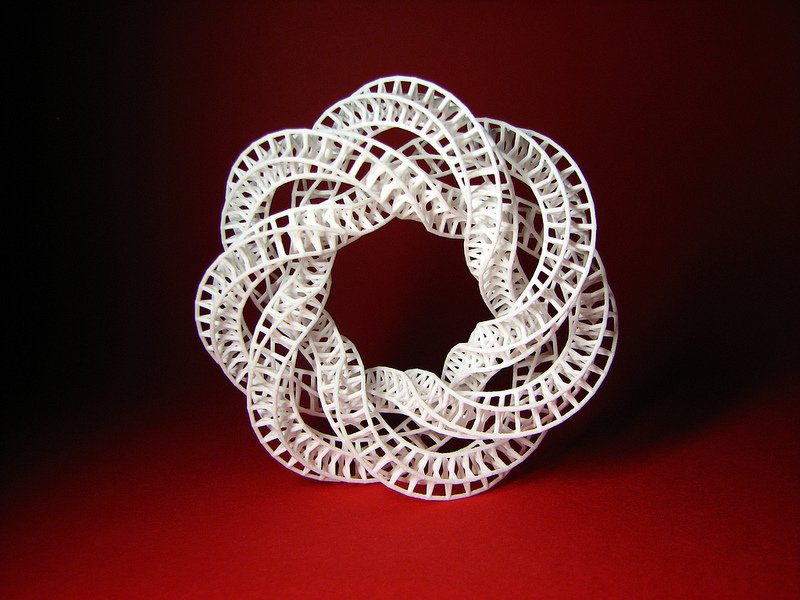
Yes, ceramic 3D printing (often called "additive manufacturing of ceramics") is an emerging field. It typically involves printing a ceramic-polymer composite material, which then undergoes a debinding and high-temperature sintering process similar to Metal Injection Molding (MIM) to remove the binder and consolidate the ceramic particles into a dense part.